
SandvichPanel
sandvichpanel.com

B2B site, product catalog and cross-border SEO
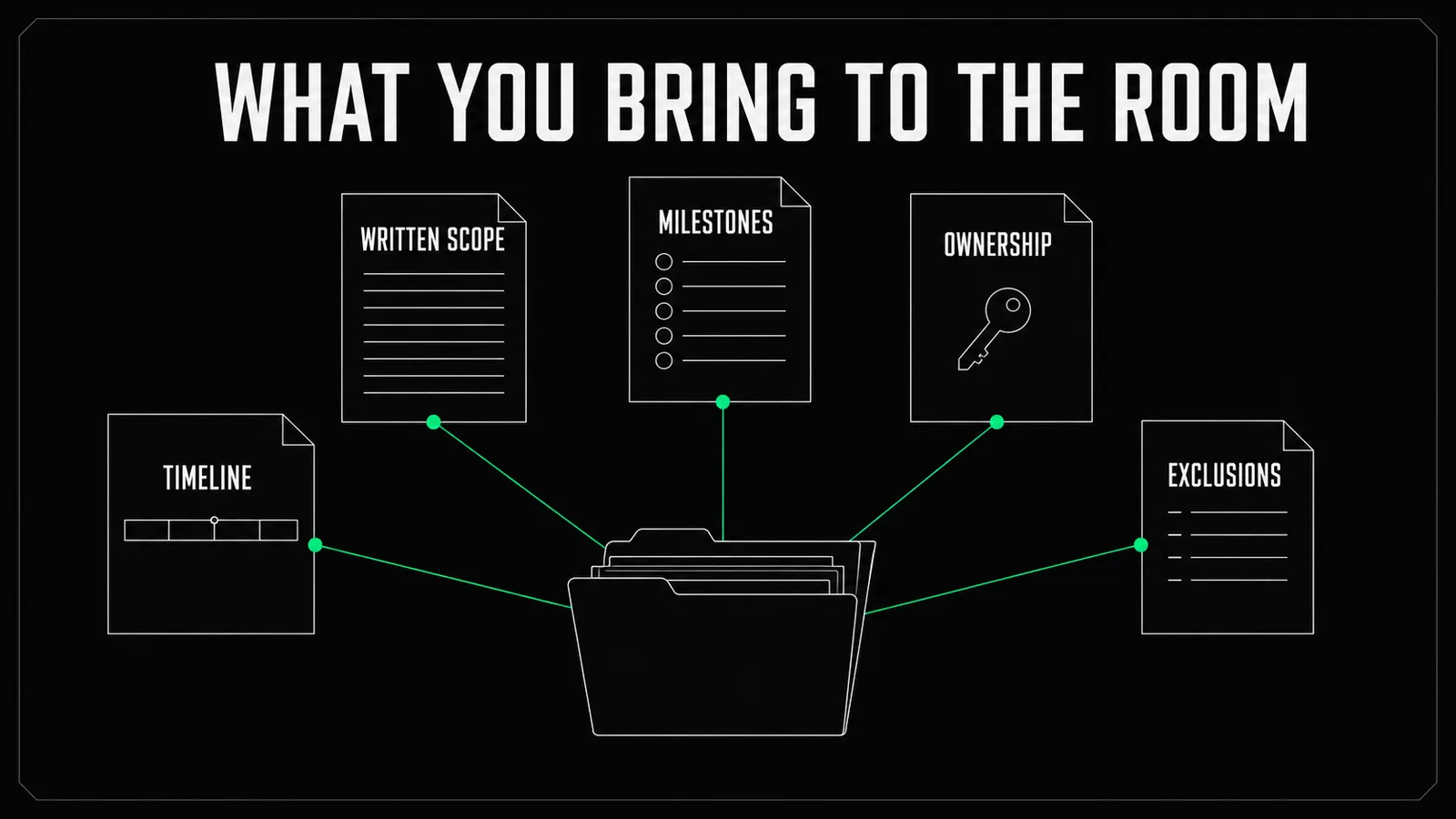
View case studyWhoever picks the agency has to defend that choice to finance, IT, legal and whoever signs. So we build the project that way: written scope, dated milestones, and ownership spelled out before anything starts. Those are the documents you will be asked for.
BUYING CONTEXT
Buying a website is not like buying software you can trial. You cannot evaluate the work before you commit to it, and 56% of organizations end up reporting high regret over their largest recent technology purchase.
That risk is not really about the vendor. The average buying group runs from five to eleven people across five business functions, and when that group cannot line up, the purchase takes seven to ten months longer and everyone remembers who brought it forward.
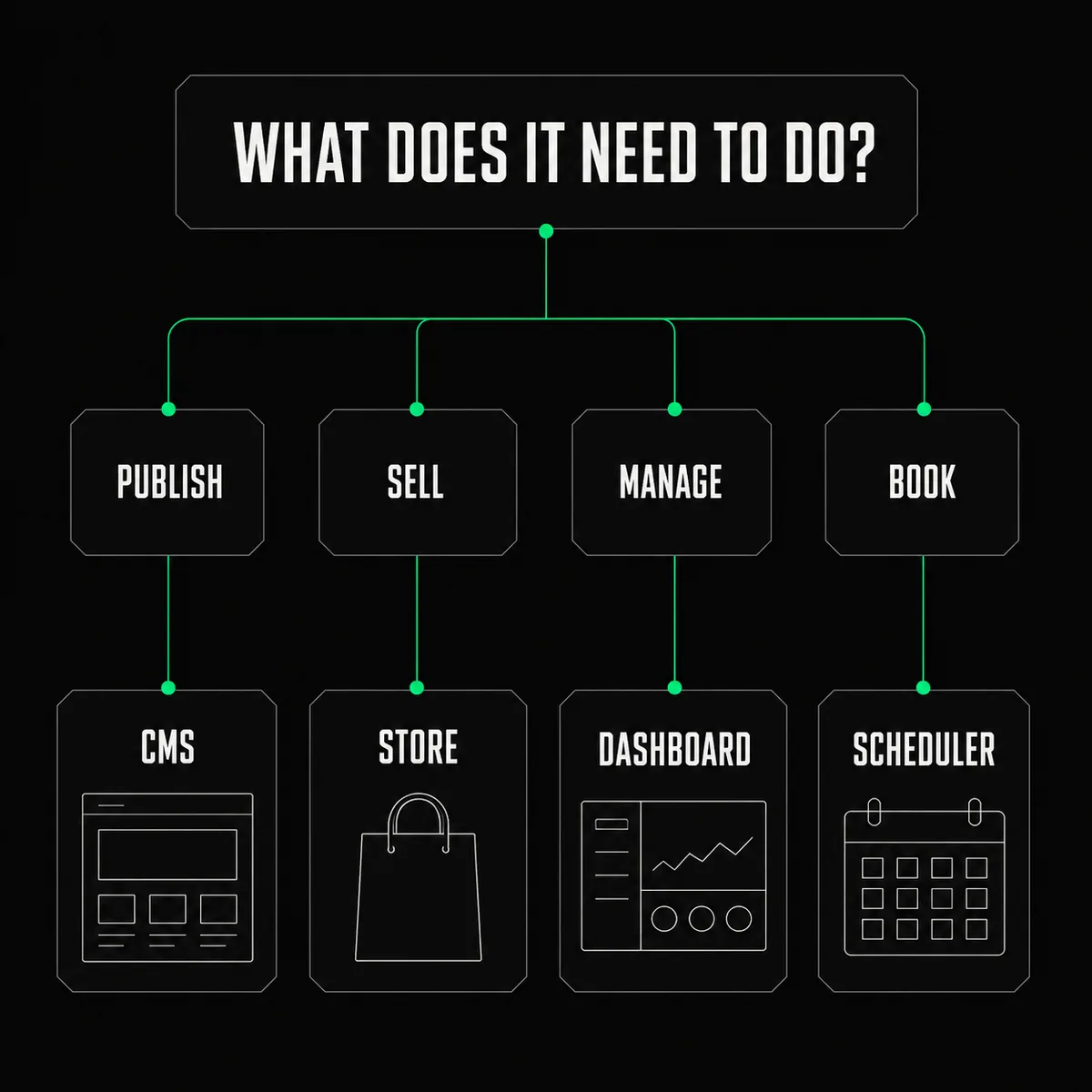
A campaign page, a company site, a store and a system with its own data are four different projects. Pricing the wrong one cheaply is still expensive.
Most projects do not fail on what was agreed. They fail on what everyone assumed. The exclusions go in the proposal, in plain language, before you sign.
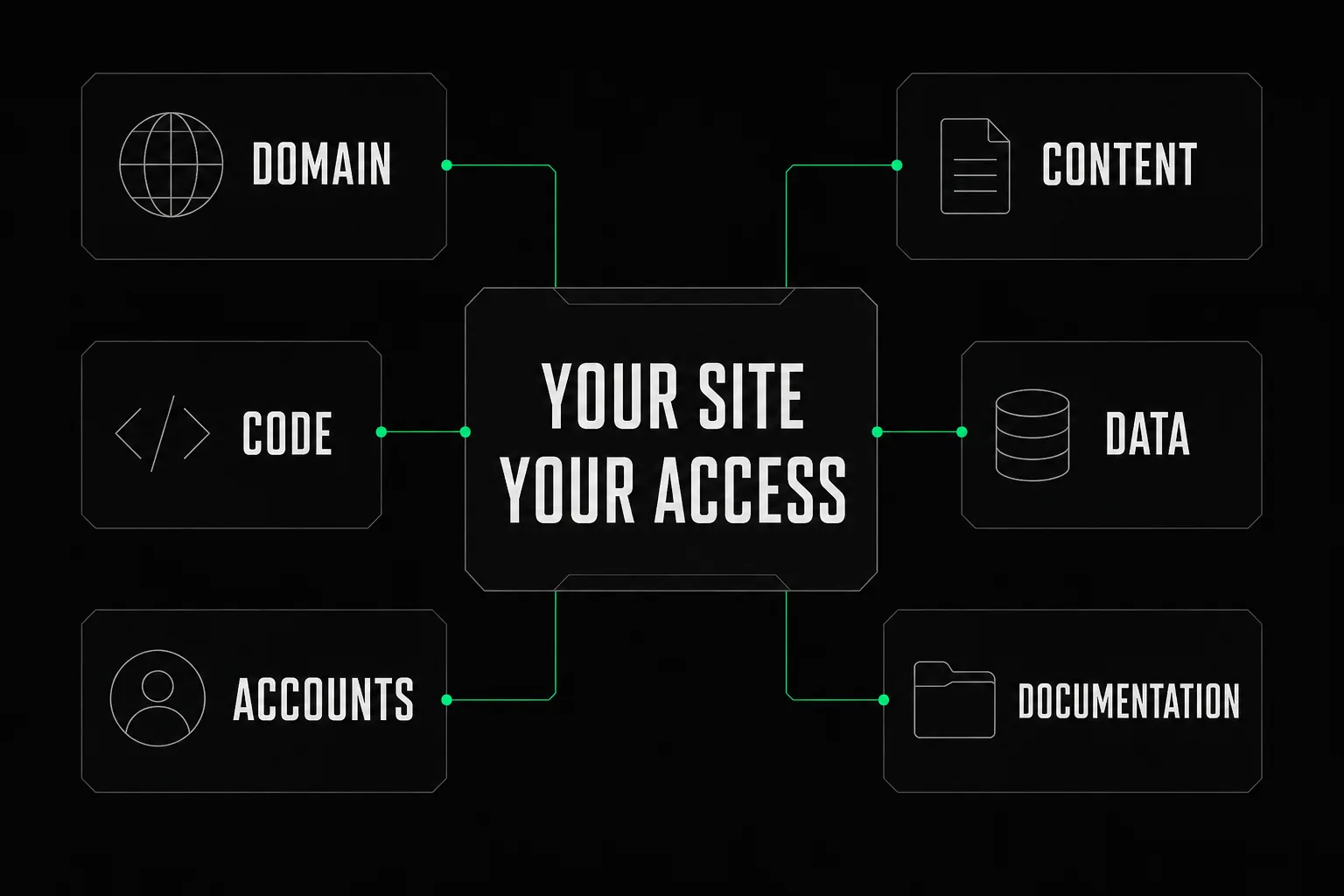
Domain, code, accounts, analytics and content are listed with an owner from day one. Legal and procurement ask first; most agencies answer last.
VERIFIABLE WORK
An industrial manufacturer selling across Europe, a Miami insurance agency with eight lines of business, and a training academy that updates its own catalog. No mockups and no cherry-picked screens: the full page, top to bottom.
B2B site, product catalog and cross-border SEO
View case study
Bilingual corporate site and a step-by-step quote engine
2024 project. The site is no longer online.

Website, editorial SEO and an admin panel the client runs
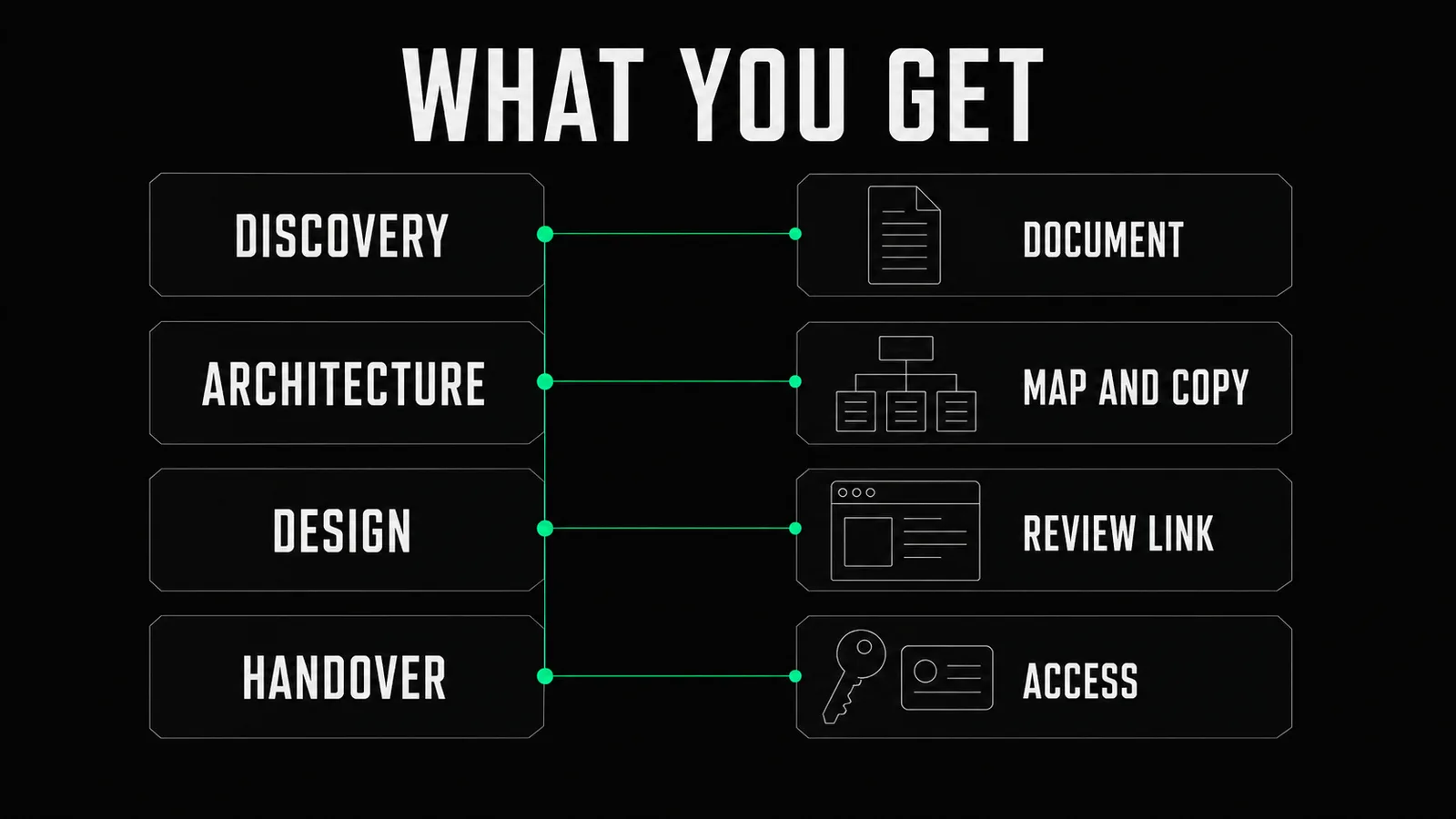
View case studyEvery stage closes with something you can open, read and forward. Not a status update: a document. If your CFO asks what exactly we are buying, or your IT lead asks who holds the accounts, the answer already exists.
We go through your offer, how people reach you today, what they ask before buying, and what happens after they get in touch.
We research what your market searches for and settle messages, pages, proof and objections before anything gets designed.
We build in reviewable milestones. Each one is running on a private link before the next one starts.
We test, measure, launch and hand over control of everything that was agreed.
SCOPE
Scope follows the buyer journey, the content you already have, the integrations involved and the operating model that continues after launch.
Goals, audience, search demand, page map, buyer journey and primary conversion, settled before any interface work.
Messaging, copy, hierarchy, UX/UI, accessibility and mobile composition built around the questions buyers actually ask.
Framework, CMS, commerce, forms, scheduling, CRM or custom tooling chosen for the operating need, not for a house platform.
Crawlable foundations, metadata, applicable schema, conversion events, QA, account access and operating documentation.
WHY KODEC
The site is designed knowing what feeds it and what comes after. If SEO, campaigns, a store or an internal dashboard show up later, they connect without redoing the work.
We do not default to WordPress, Shopify or a framework out of habit. First we settle who edits, what catalog exists and what has to integrate. The tooling follows from that.
Domain, hosting, accounts, licenses and renewals are identified in writing from the proposal. If you ever move to another team, you take all of it with you.
PROCESS
We work remotely from Venezuela, which puts us in the same hours as the US East Coast: your morning is our morning. Every stage has an owner, the material it needs, a review date and a written condition for calling it done. Video calls in English, and a single point of contact who was in the discovery session.
We align on the business problem, the primary conversion, owners, constraints and the evidence already available.
We research the market and map messages, pages, proof and objections before design begins.
We build through reviewable milestones and document every decision that changes scope.
We test, measure, launch and transfer the agreed accounts, code and documentation.
INVESTMENT
We do not publish rates, because quoting before understanding the problem is guessing, and guessing is expensive for both of us. What we will do is tell you early: the audit is free, it looks at your actual situation, and it ends with a recommendation on format, scope and investment. If the number does not make sense for you, you find that out before committing to anything.
We would rather say this now than after you have signed. None of it makes us better. It is just true, and someone on your team is going to ask.
BUYER QUESTIONS
It depends on the number and type of pages, the state of your content, the integrations, and whether there is a catalog, payments or custom logic. That is why the first step is the free audit: you come out of it with a format recommendation that includes investment, milestones, exclusions and third-party costs in writing.
A read on where value is leaking today and what to move first, based on your offer, your current presence, how people reach you and what happens after contact. It is written to be forwarded internally, and it is yours whether or not you work with us.
Every stage closes with a document rather than a status call, because a committee cannot align on a status call. Scope, milestones, exclusions and ownership exist in writing from the proposal onward, which is what finance, IT and legal each ask for.
For coordination, no: we share business hours with the East Coast and everything runs in English. For anything that requires a physical presence or a US entity, yes, and we say so before it becomes a problem rather than after.
The schedule follows the scope and how ready your content is, which is usually what delays things. The proposal separates discovery, architecture and copy, design, build, content load, testing and handover, and every date carries a verifiable condition instead of a promise.
Yes, and that gets decided at the start because it changes the stack. We define which parts you need to edit and how often, and the handover includes the access and the documentation to do it without us.
Often not, and the audit is where that gets answered honestly. It separates what should be fixed, what should be rebuilt and what is fine as it is, with the cost of each path.
NEXT STEP
The audit is free and ends with a concrete recommendation on format, scope and investment, written so you can forward it. No commitment, and a reply within 24 hours.